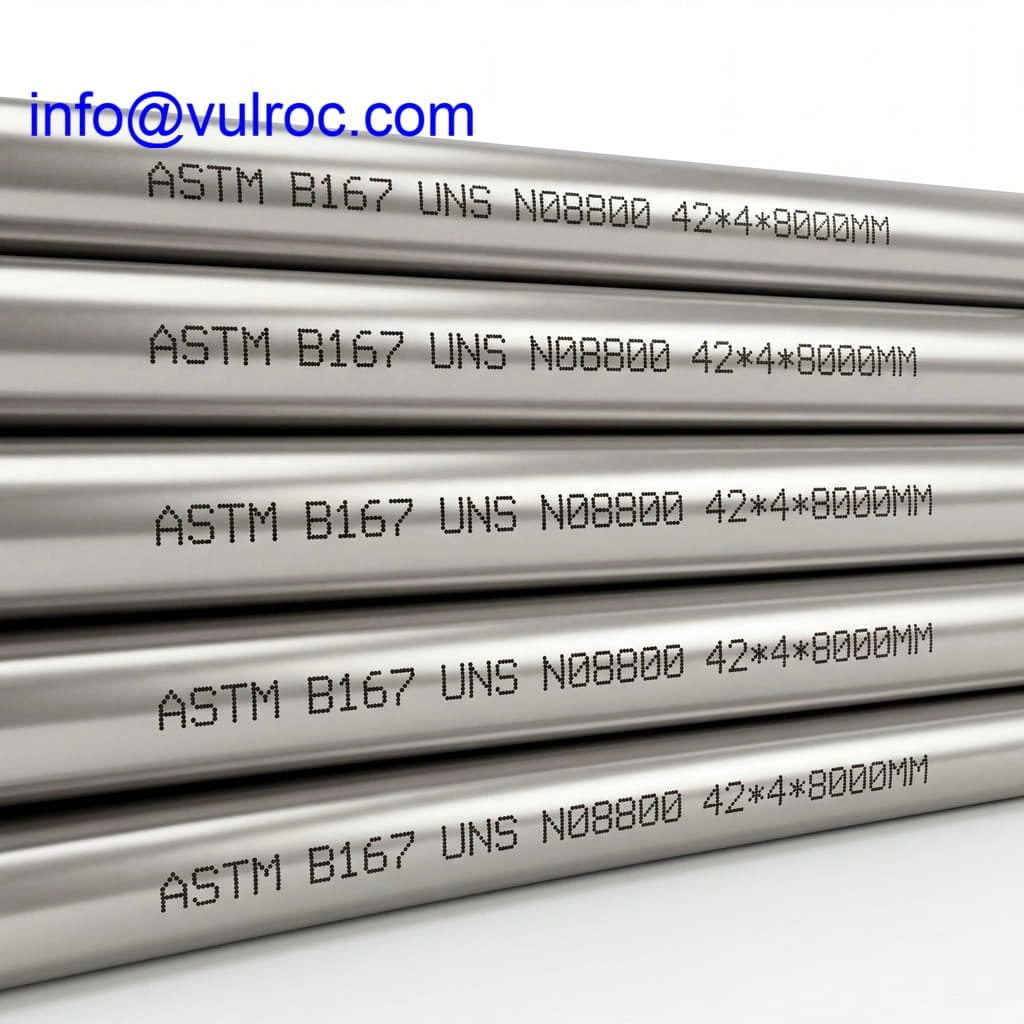
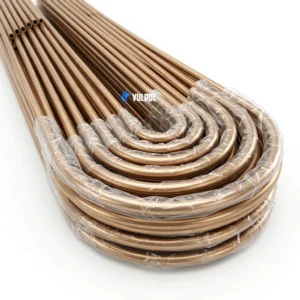
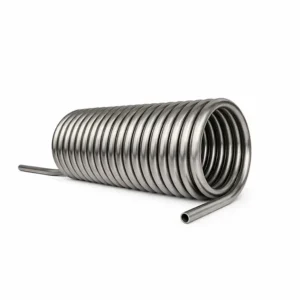
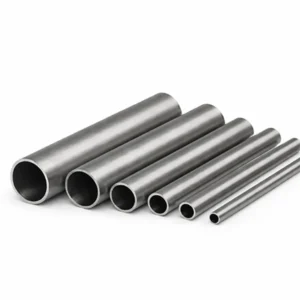
Vulroc® alloy 800 tubes are produced from high-quality nickel-iron-chromium alloy, offering excellent oxidation resistance at high temperatures and strong resistance to carburization.
Alloy 800 (N08800) tubes are commonly used in:
- Heat exchangers operating at elevated temperatures
- Steam generators and superheaters
- Furnace tubes and radiant coils
- Petrochemical and refinery process heaters
- Power generation boiler tubing systems
- Chemical processing equipment
- Hydrocarbon cracking and reforming units
- High-temperature piping and thermal equipment
Technical
|
Item
|
Specification
|
| UNS No. |
N08800 – BS No. 3074 NA15 |
| Chemical Composition (wt%) |
Ni: 30.0 – 35.0Cr: 19.0 – 23.0Fe: ≥ 39.50Cu: ≤ 0.75Mn: ≤ 1.50C: ≤ 0.10Si: ≤ 1.0Al: 0.15 – 0.60Ti: 0.15 – 0.60S: ≤ 0.015 |
| ASTM Specification |
ASTM B163, ASTM B407 |
| ASME Specification |
ASME SB163, SB407 |
| Temper |
Annealed |
Properties and Metrics:
| Property |
Metric |
English |
| Density |
7.94 g/cm³ |
0.287 lb/in³ |
| Tensile Strength (min.) |
517 MPa |
75 ksi |
| Yield Strength (min.) |
207 MPa |
30 ksi |
| CTE, Linear |
14.40 µm/m·°C @ 100°C |
7.90 ×10⁻⁶ in/in/°F @ 200°F |
| Specific Heat Capacity |
460 J/kg·°C @ 100°C |
0.11 BTU/lb·°F @ 200°F |
| Thermal Conductivity |
13 W/m·°C @ 100°C |
89 BTU-in/h/ft²/°F @ 200°F |
| Melting Point |
1357 – 1387°C |
2475 – 2525°F |
* The values shown above are typical reference data only and should not be used for design or engineering purposes.
FAQ
1. What is Alloy 800 (N08800)?
Alloy 800 is an iron-nickel-chromium alloy designed for high-temperature strength and resistance to oxidation and carburization. It maintains a stable austenitic structure and is widely used in heat exchangers, furnace tubes, and steam generators operating under elevated temperatures.
2. What is Alloy 800 used for?
Alloy 800 tubes are commonly used in heat exchangers, petrochemical furnaces, steam generators, superheaters, and high-temperature process piping. They are also used in power generation, chemical processing, and refinery equipment exposed to prolonged thermal service.
3. What temperature can Alloy 800 withstand?
Alloy 800 performs well in continuous service temperatures up to approximately 1100°C, depending on the environment. It maintains strength and resists oxidation, scaling, and carburization in high-temperature applications.
4. What is the difference between Alloy 800 and Alloy 800H?
Alloy 800H is a modified version of Alloy 800 with controlled carbon and grain size for improved creep strength at high temperatures. Alloy 800 is typically used for general high-temperature service, while 800H is preferred for pressure equipment operating at elevated temperatures.
5. Is Alloy 800 corrosion resistant?
Yes. Alloy 800 provides good resistance to oxidation, carburization, and many aqueous corrosion environments. It performs well in nitric acid, organic acids, and high-temperature oxidizing atmospheres.
6. Can Alloy 800 tubes be welded and fabricated?
Yes. Alloy 800 has good fabrication properties and can be welded, bent, expanded, and formed using conventional methods. It is suitable for U-bend tubes and complex heat exchanger configurations.
7. What industries use Alloy 800 tubing?
Common industries include power generation, petrochemical processing, chemical plants, furnace manufacturers, heat treatment facilities, and oil & gas processing plants.
8. What standards apply to N08800 tubes?
Alloy 800 tubes are commonly manufactured according to ASTM B163, ASTM B407, and ASME SB163, SB407 specifications for heat exchanger and high-temperature applications.